





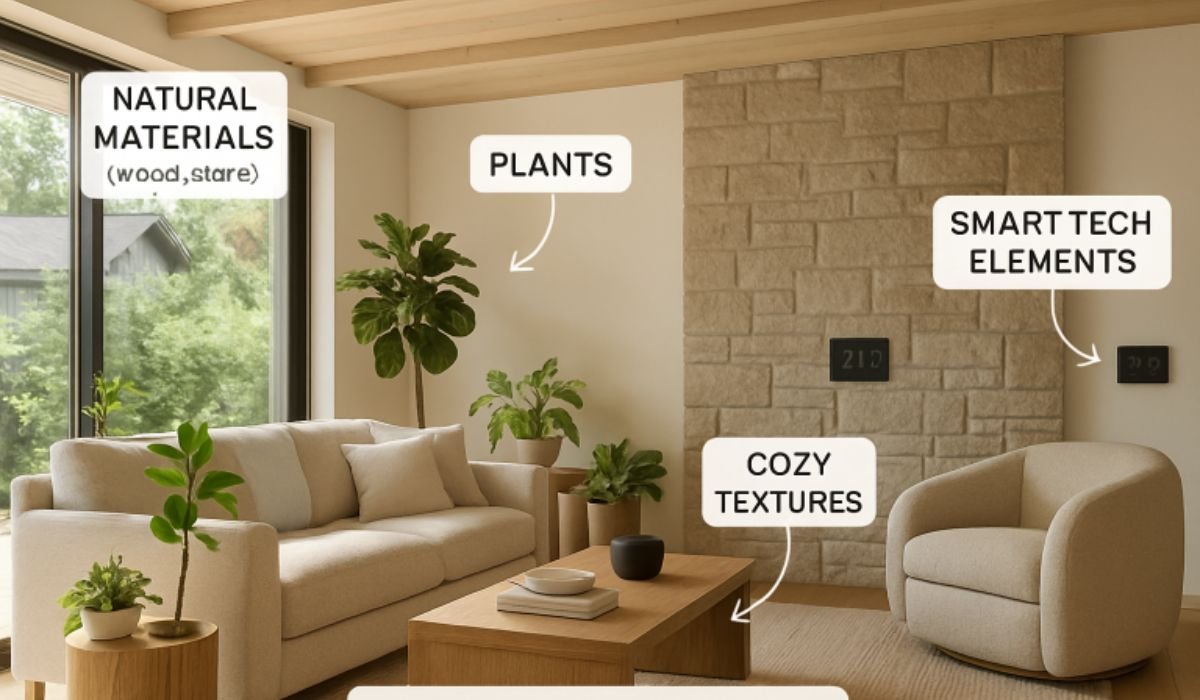
Key Takeaways
- Sustainable, eco-friendly materials define interiors.
- Smart technology integration streamlines daily living.
- Biophilic design fosters connection to nature indoors.
- Earthy, warm color trends dominate modern palettes.
- Retro and vintage elements enhance character and sustainability.
- Flexible home layouts facilitate multifunctional living.
- Minimalism is now blended with bold personality and texture.
Modern living spaces in 2025 reflect a refined blend of aesthetics, sustainability, and smart technology, creating homes that feel both functional and inviting. The modern homeowner’s focus is on spaces that do more than just look good—they make daily life easier, more efficient, and harmonious. It’s an era where thoughtful design considers mind, body, and the environment. Staying current with design innovations not only elevates your surroundings but can also boost home value and daily comfort. Investing in new trends can enhance both the visual appeal and the long-term value of your space. Whether planning a remodel or building new, working with leaders like Value Home Builds helps ensure that design choices maximize both beauty and practicality, while also providing expertise in blending personal vision with current industry best practices.
Today’s homeowners are prioritizing solutions that are eco-friendly and technologically advanced, weaving together warm, natural palettes and personalized touches. The trend isn’t just about adopting the latest gadgets or materials; it’s about reimagining the home as a holistic environment. The drive for adaptable layouts that can support work, relaxation, and social life has never been stronger. Spaces are expected to transition from a home office in the morning to a lively gathering spot by evening. Infusing living spaces with nostalgia, character, and greenery is another rising preference, while the shift toward minimalism continues to evolve into something more layered and personal. Homeowners are now seeking unique, meaningful accents that reflect their individuality and evoke the desired ambiance in their own space.
Sustainable and Eco-Friendly Materials
Rising environmental awareness has transformed the way finishes and furnishings are selected for modern homes. More people now examine a product’s entire lifecycle, from its source to its eventual disposal or repurposing. Designers and homeowners are increasingly seeking out materials with low environmental impacts, such as bamboo, reclaimed wood, cork, and recycled metals. Not only are these resources renewable or salvaged, but they also often possess natural imperfections and patinas that add a unique visual character and durability, aligning with eco-conscious values. Upgrading lighting to LED and incorporating advanced ventilation technologies further reduces energy consumption and supports a healthier home. Homeowners are also mindful of VOC emissions in paints and adhesives, opting for low-toxin or toxin-free alternatives to foster cleaner and healthier indoor air, contributing to both environmental and personal wellness.
Smart Home Integration
The integration of smart technologies has become almost seamless in contemporary interiors. Today’s homes serve as intelligent hubs that learn and adapt to occupants’ needs, blending comfort with convenience behind the scenes. With innovations ranging from AI-driven lighting and temperature controls to voice-activated appliances and security systems, convenience has never been so accessible. Home systems can now anticipate your preferences, regulating indoor climates or adjusting lighting to match your mood or activity with ease. Today’s smart home features go beyond gadgetry—they offer genuine daily benefits, such as improved safety, energy efficiency, and personalization, which respond to routines and preferences automatically. The peace of mind offered by features like remote surveillance, access control, and real-time notifications goes hand in hand with energy savings achieved through automation, both of which are becoming non-negotiables for modern buyers.
Biophilic Design: Bringing Nature Indoors
Home design in 2025 is all about forging a deeper connection with nature. Biophilic elements, such as living green walls, indoor gardens, water features, and expanses of natural light, are at the top of design wish lists. The introduction of filtered daylight, lush planting, and even small fountains is known to have a significant impact, creating a restful and grounding atmosphere. Research highlights the health benefits of biophilic design, including lower stress levels, improved mood, and better indoor air quality. According to Architectural Digest, a roundup of 2025 interior design trends, this movement emphasizes a return to natural materials and organic aesthetics, reflecting a collective desire for calmer and more restorative spaces. Integrating organic textures and shapes, while maximizing window placements, transforms homes into tranquil refuges. These choices not only appeal aesthetically but also contribute to tangible wellbeing, helping to counterbalance the demands of urban living and technology overload. Adding tactile materials—such as stone, clay, natural fiber rugs, and wooden surfaces—further this organic connection, making every touchpoint within the home remind us of the outdoors.
Warm and Earthy Color Palettes
The era of cool grays and stark whites is giving way to warm neutrals and earth-inspired tones, which are taking center stage. Today’s color stories are about calmness and comfort, designed to soothe the senses and welcome guests. Colors like muted greens, sandy beige, terracotta, and deep browns create calming backgrounds that evoke a sense of comfort and bring the outdoors inside. These palettes easily accommodate accent pieces with bolder colors or layered texture, making it effortless to refresh a room’s character seasonally. Walls might serve as a neutral canvas for bursts of personality—a rust velvet armchair, or a handwoven throw in ochre or olive. These grounded hues also pair well with natural light and organic materials, resulting in a timeless look that remains in style.
Vintage and Retro Influences
Nostalgia and sustainability are intertwined in the resurgence of vintage and retro home decor. Repurposing mid-century modern pieces, embracing 70s-style prints and colors, and hunting for authenticated antiques is now en vogue. Sourcing pre-loved furniture or rescuing items from flea markets provides originality without the environmental cost of new production. These elements tell a story while reducing the environmental toll of manufacturing new furnishings. Vintage pieces often boast superior craftsmanship and enduring materials that simply aren’t found in mass-produced furniture today. Retro lighting, geometrically shaped tables, and plush velvet sofas can add a unique flair while preserving history. Incorporating retro art, clocks, or patterned wallpaper gives each room a distinctive touch while blending eras and styles in a personal, meaningful way.
Multifunctional and Flexible Spaces
Adapting to modern life means creating interiors that seamlessly pivot between tasks—work, relaxation, and entertaining. As family members’ schedules fluctuate and activities overlap, adaptable living solutions are necessary. Flexible furniture such as fold-out desks, modular sofas, and concealed storage helps maintain both style and order, even as rooms fulfill more than one purpose. Expandable tables, hidden Murphy beds, or bookcases that double as room dividers are all part of the modern toolkit. As remote work remains prevalent and families grow, open-concept spaces with zoned living areas or moveable partitions are especially desirable for their adaptability. This versatility supports everything from remote learning to impromptu dinner parties without sacrificing comfort or visual harmony.
Minimalism with Character
Minimalism in 2025 is about more than just simplicity; it’s a canvas for personal expression. The popular mantra of “less is more” is reinterpreted to mean less clutter, but more impact. Neutral tones are layered with strong accent pieces such as statement art or sculptural lighting. Every item in a minimalist home is chosen intentionally for its quality and contribution to the space’s narrative. Handcrafted elements and textured finishes offer visual depth, keeping spaces fresh and inviting rather than cold and barren. Interesting ceramics, woven materials, or custom cabinetry provide tactile and visual interest. This individualized approach to minimalism strikes a balance between clarity and warmth, fostering a sense of belonging. Artful restraint, rather than stark emptiness, is now the mark of contemporary minimalist living.
Conclusion
Modern living spaces continue to evolve in ways that support comfort, wellness, and personal taste. By being deliberate in design choices—selecting sustainable materials, cutting-edge technology, and harmonious color—today’s homeowners can create sanctuaries tailored to their lives. Prioritizing both environmental responsibility and style ensures homes remain both beautiful and resilient in the face of future shifts. By integrating sustainable materials, cutting-edge technology, and a harmonious color palette, you can craft an environment tailored to your lifestyle. Embracing these 2025 design trends not only results in a beautiful home but also builds lasting value and resilience to future shifts in living preferences.
YOU MAY ALSO LIKE: Beyond Floors: How Tekno-Step is Redefining Mexican Spaces