




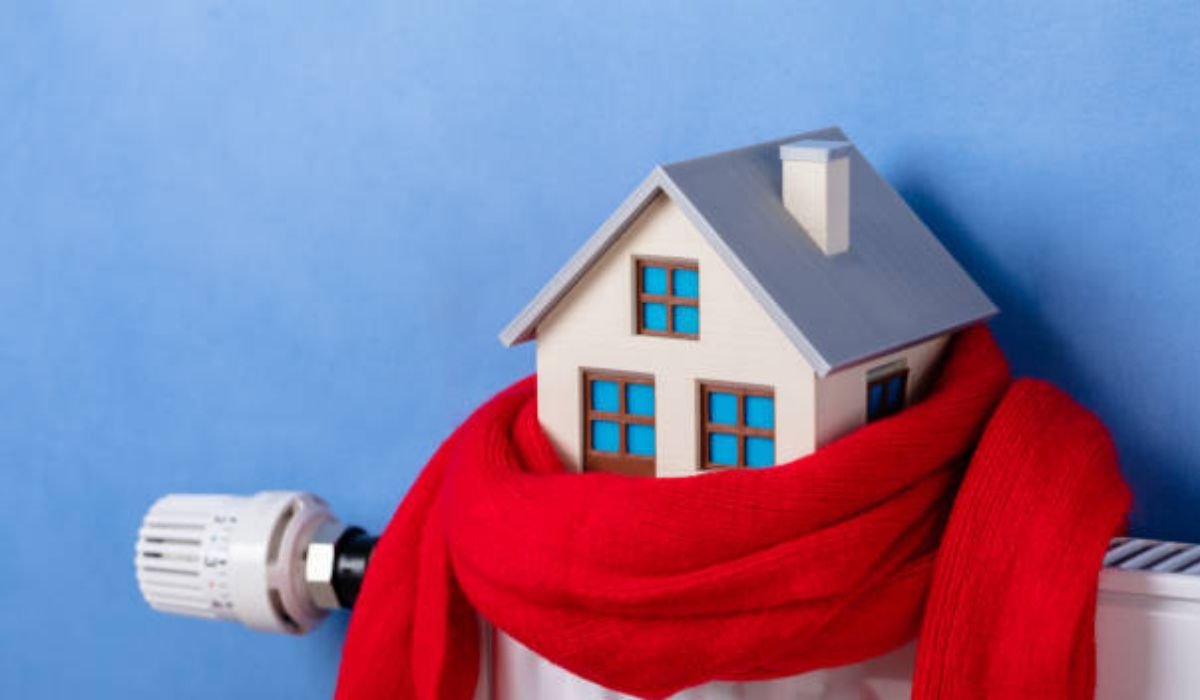
Let’s face it—no one wants to spend their winter wrapped in three layers of blankets, sipping lukewarm coffee, and still shivering. And yet, for many households, that’s exactly what winter feels like. Whether it’s an aging system barely holding on or a setup that was never really right to begin with, poor heating isn’t just uncomfortable—it’s exhausting.
And that’s where a proper Heating Installation steps in and makes life noticeably better.
Why Your Old Heating System Isn’t Cutting It Anymore
There’s a certain nostalgia in older homes, right? The creaky floorboards, the way the windows fog up just a little when it’s cold outside, the thick wool socks that seem to live on your feet all winter.
But you know what shouldn’t be nostalgic? Your heating system.
If your unit is older than your favorite flannel, chances are it’s doing more harm than good. Outdated systems not only struggle to maintain a consistent temperature, but they also suck up more energy than necessary. That’s money leaving your wallet every single month. More importantly, they could pose safety risks—leaks, carbon monoxide, even fire hazards in extreme cases.
If the furnace rumbles louder than the delivery truck outside or your space heater needs to be babysat, it might be time to move on. Don’t wait until it gives out on the coldest night of the year.
What a Modern Heating Setup Can Actually Do
Getting a new system isn’t just about warming your toes. It’s about upgrading your lifestyle. A good install will evenly distribute heat throughout the house, reduce humidity issues, and cut down your electricity or gas bill over time. You’ll feel it immediately—and not just physically.
Today’s systems are quieter, cleaner, and smarter. With options like programmable thermostats, zone control, and energy-efficient ratings that would make your eco-conscious cousin proud, the upgrades aren’t just worth it—they’re necessary.
Beyond that? A professionally done Heater Installation sets you up for years of peace of mind. No worrying if the pilot light is going to flicker out during a snowstorm or if the unit will wake you at 3 a.m. with weird clanking sounds. Done right, it just works.
DIY vs. Professional: The Eternal Struggle
Look, we all love a good DIY project. Pinterest boards and YouTube tutorials can make anyone feel like they’re halfway to becoming a contractor. But installing a heating system? That’s not exactly hanging a picture frame.
There are real codes to follow, permits to consider, and safety concerns to address. Not to mention that if something goes wrong, you might be stuck without heat—or worse, facing a steep repair bill to undo the damage.
Hiring a professional doesn’t mean you’re throwing money away. It means you’re investing in peace of mind, proper performance, and usually, a warranty that protects your system for years. You also avoid the headaches of wondering if it was “done right.”
READ ALSO: Beyond Floors: How Tekno-Step is Redefining Mexican Spaces
Choosing the Right Installer (It’s More Than Just Googling)
Anyone can set up a website and claim to be an expert. So how do you separate the pros from the posers?
Start with reviews—real ones, not just the testimonials on their homepage. Ask friends and neighbors who they trust. Get a few quotes, compare the scope of work, and don’t be afraid to ask questions. How long will it take? Do they handle permits? Will they help with system sizing based on your home’s layout?
The right contractor will walk you through the process like a partner, not a salesperson. They’ll factor in your home’s insulation, layout, and even the orientation to the sun. Because it’s not just about installing a heater—it’s about designing a system that suits your life.
Sizing Isn’t Just About Square Footage
One of the most common installation mistakes? Getting the wrong size unit. Too small, and it’ll constantly run, trying to play catch-up. Too big, and it’ll cycle on and off quickly, causing wear and tear—and uncomfortable temperature fluctuations.
Good installers take more into account than just square footage. Things like ceiling height, window placement, insulation type, and even the number of people living in the home play a role. This level of detail might sound tedious, but it makes all the difference between a “meh” install and one that feels like a warm hug every time you walk in the door.
When’s the Best Time to Install?
Honestly? Sooner than you think.
Fall is ideal because you can beat the winter rush when contractors are flooded with emergency calls. But even in the depths of winter, it’s not too late. In fact, if your system is failing, the best time is right now.
The real trick is not waiting until it becomes urgent. That’s when you rush decisions, overspend, and possibly settle for whoever’s available. Planning ahead gives you the power to compare options and choose what’s genuinely right for your home.
The Price Question (Because Yes, It Matters)
Let’s be real: this isn’t a $50 fix. A full heating system replacement can cost anywhere from a few thousand to well over ten grand depending on size, complexity, and brand. But here’s the flip side—think of how much you’ll save on energy bills over time. Think about how much more comfortable your home will be. And think about how much less you’ll worry.
Most reputable companies offer financing, seasonal discounts, and even rebates for energy-efficient systems. So don’t let sticker shock scare you away before you’ve seen the full picture.
Wrapping It Up: Warmth Is More Than a Temperature
The right heating installation does more than warm up your house—it changes the way your home feels. It gives you comfort on chilly nights, consistency on unpredictable days, and peace of mind that you’re ready for whatever winter throws your way.
No more second-guessing the thermostat. No more layering up indoors. Just warm, cozy, consistent heat from a system that’s made for your space.
So go ahead—grab that cup of cocoa, curl up on the couch, and enjoy the kind of warmth that doesn’t just come from a blanket. Because the right system? It doesn’t just heat your house.
It makes it feel like home.
YOU MAY ALSO LIKE: Energy-Efficient Window Solutions for Every Home