




Table of Contents
- Introduction
- Common Causes of Water Damage
- Structural Impacts of Water Intrusion
- Health Risks Associated with Mold Growth
- Electrical Hazards from Water Exposure
- Financial Implications of Water Damage
- Preventive Measures to Safeguard Your Home
- Steps to Take After Detecting Water Damage
- Conclusion
Introduction
Water damage is one of the most insidious threats homeowners face, often lurking unnoticed until structural integrity or indoor safety is compromised. Whether it occurs suddenly from a burst pipe or slowly from a hidden roof leak, water damage can create long-lasting problems. For those in high-risk regions or older homes, collaborating with an experienced restoration company Denver can make all the difference in safeguarding property and health.
The dangers of water intrusion reach far beyond visible stains or damp carpets. Undetected issues can lead to mold growth, electrical hazards, and a steep decline in property value. By recognizing the early warning signs and understanding common causes, homeowners can take swift action and prevent further escalation.
Regular inspections, maintenance routines, and swift responses to signs of trouble are key to limiting damage. The financial burden caused by extensive repairs, lost value, and health complications highlights the importance of prevention as the best investment homeowners can make for long-term peace of mind.
This guide breaks down the causes, consequences, and innovative preventive measures every homeowner should know to avoid costly water damage disasters. For authoritative insights on water safety and prevention, the Environmental Protection Agency provides comprehensive guidance on managing moisture and preventing mold.
Common Causes of Water Damage
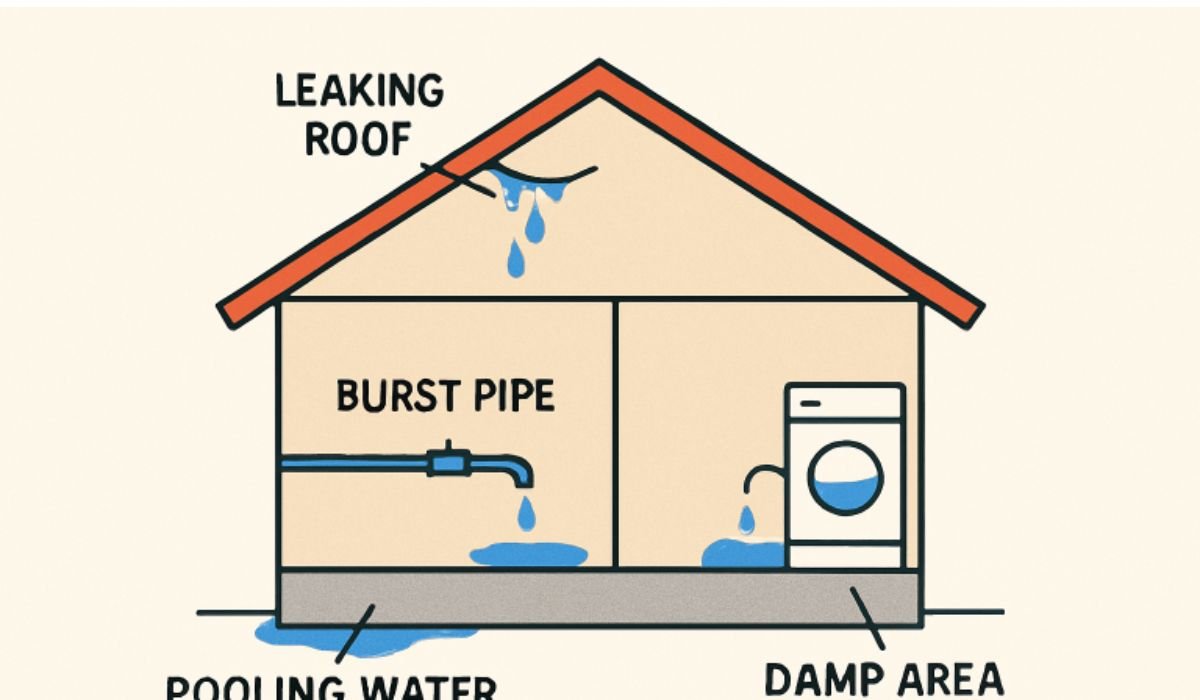
Water damage often results from routine wear and tear, unexpected plumbing failures, or environmental extremes. Left unchecked, sources of moisture can seep into the foundation, behind walls, or under flooring. Key contributors include:
- Leaking Roofs: Old or damaged shingles, gutter blockages, or ice dams create entry points for rainwater, leading to slow leaks or catastrophic flooding in attics and walls.
- Plumbing Failures: Burst pipes or leaky fittings release large quantities of water quickly, while slow drips from fixtures can remain hidden, encouraging mold growth and wood rot.
- Appliance Malfunctions: Poorly installed or unmaintained dishwashers, washing machines, and water heaters can cause slow leaks or sudden breaches.
- Natural Disasters: Flash floods, hurricanes, and severe weather events can cause extensive damage within minutes, overwhelming drainage systems and saturating building materials.
Structural Impacts of Water Intrusion
Persistent wetness endangers a home’s very framework. Wooden beams and subfloors begin to warp or rot, steel reinforcements corrode, and seemingly solid concrete can crack and weaken over time. These issues can cause uneven floors, sticking doors, dangerous sagging, and even foundation failure. Early detection and prompt mitigation are critical to preventing expensive repairs or irreparable harm to the property.
Health Risks Associated with Mold Growth
Even minor water exposure can pave the way for mold, which often flourishes in hidden areas within 24 to 48 hours. Mold spores reduce air quality and are known to trigger allergic reactions, asthma attacks, and other respiratory symptoms, especially in children and the elderly. Hidden mold infestations—frequently lurking inside walls, behind cabinetry, or under carpets—often go unnoticed until symptoms or odors appear, making prevention and early remediation essential.
Electrical Hazards from Water Exposure
When water finds its way to electrical outlets, wiring, or appliances, it can create extremely dangerous conditions. Even a small amount of moisture near power sources may result in shocks or short circuits, while larger leaks greatly increase the risk of electrical fires. Always turn off electricity in affected areas and avoid using electrical equipment until it has been inspected by a professional after any suspected water damage.
Financial Implications of Water Damage
The economic fallout of water damage can be staggering. In addition to the direct costs of structural repairs and mold remediation, water-damaged homes may decline in market value by 10% to 30%. Insurance coverage often excludes certain types of floods, and even when available, high deductibles and slow claims processing add to out-of-pocket expenses. Preventive maintenance is the best way to protect your investment and avoid financial surprises.
Preventive Measures to Safeguard Your Home
Proactive steps can significantly reduce the likelihood and severity of water damage:
- Conduct Regular Inspections: Routinely check your roof, plumbing lines, appliances, and basement for signs of moisture, corrosion, or wear and tear.
- Maintain Gutters and Downspouts: Clean gutters frequently and confirm that downspouts direct water away from your home’s foundation to prevent pooling.
- Seal Windows and Doors: Inspect and repair weather stripping or caulk to ensure there are no entry points for water around doors and windows.
- Install Sump Pumps and Backflow Valves: These solutions rapidly remove excess water and prevent sewage from backing into your living areas during heavy rains.
Steps to Take After Detecting Water Damage
- Ensure Safety: Immediately turn off power in the affected area, steer clear of wet electrical outlets, and evacuate if structural safety is questionable.
- Document the Damage: Take clear, thorough photos and videos before starting cleanup. Comprehensive documentation supports insurance claims later.
- Remove Standing Water: Use wet/dry vacuums, mops, and towels. Quick action reduces the spread and severity of damage.
- Dry Out Structures: Run fans, open windows, and use dehumidifiers to draw moisture from building materials.
- Call Restoration Experts: Professional assessment and repair ensure deep cleaning, mold prevention, and proper repairs.
Conclusion
Water damage can undermine your home’s safety, health, and value in a matter of hours. Identifying risk factors, investing in routine maintenance, and knowing how to respond quickly to leaks are fundamental for any homeowner. With the proper preparation and vigilance, you can protect your home against costly and dangerous water damage for years to come.
YOU MAY ALSO LIKE: What Happens If a Chimney Is Installed Incorrectly?